
The brain relies on an extensive network of blood vessels to deliver oxygen and nutrients, maintain a healthy environment, and support normal brain function. At the heart of this system is the blood-brain barrier (BBB), a specialised interface that protects the brain and regulates exchanges between the blood and brain tissue. Increasing evidence suggests that dysfunction of the brain’s blood vessels and BBB is an early and important contributor to ageing, cognitive decline, and dementia.
At the Montagne Lab, we investigate how the cells that make up the brain’s smallest blood vessels, particularly endothelial cells and pericytes, become dysfunctional during ageing and disease. We aim to understand how changes in these cells and their interactions contribute to BBB breakdown, impaired cerebral blood flow, vascular inflammation, and damage to the brain’s white matter.
By combining advanced brain imaging, experimental models, human brain tissue, and cutting-edge molecular approaches, we seek to uncover the mechanisms driving neurovascular dysfunction in Alzheimer’s disease, cerebral Small Vessel Disease, and related dementias. Our ultimate goal is to identify new therapeutic strategies that restore vascular health and protect brain function.
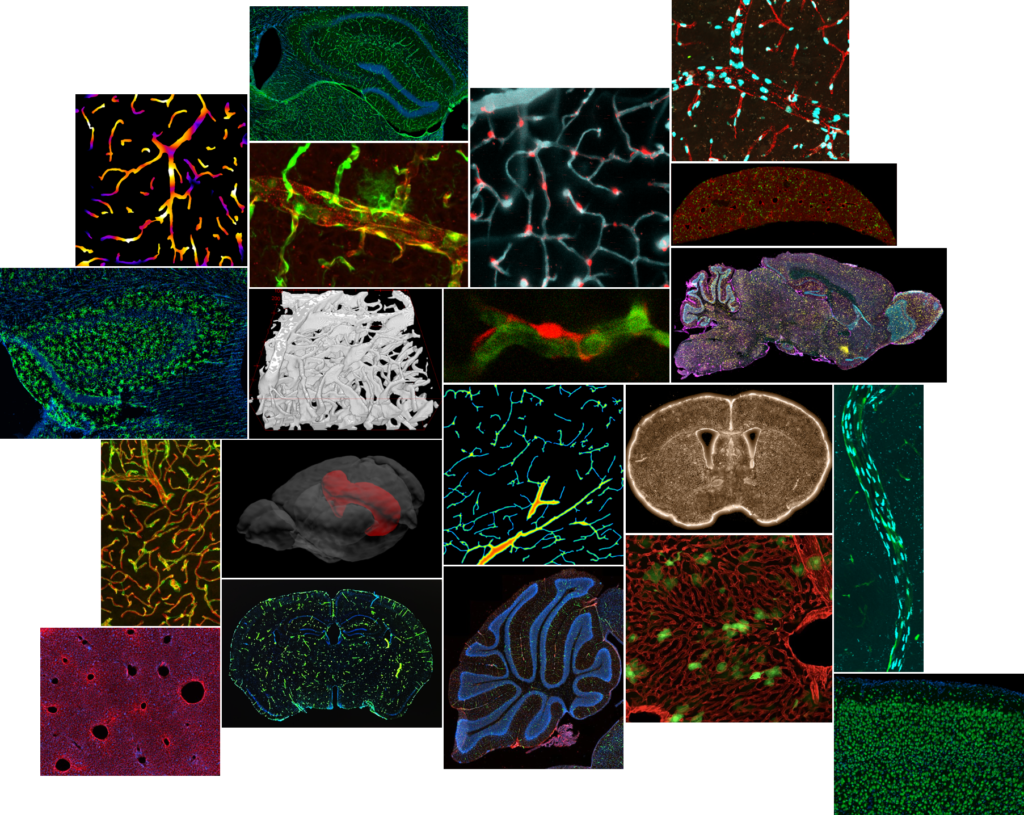
Our research aims to understand how, when, and why the brain’s blood vessels become dysfunctional during ageing and dementia. By studying the interactions between endothelial cells, pericytes, and their surrounding environment, we hope to identify new ways to preserve the blood-brain barrier, maintain healthy cerebral blood flow, and ultimately prevent cognitive decline.